
Kailash Mansarovar Yatra
The Kailash Mansarovar Yatra is one of the world's most sacred pilgrimages, taking devotees to the holy Mount Kailash and Lake Manasarovar in the remote Himalayan region of western Tibet. Together, these two revered sites create one of the most spiritually significant pilgrimage destinations in the world, attracting thousands of pilgrims, spiritual seekers, and adventure travelers every year.
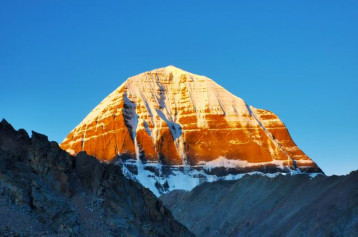
Mount Kailash, standing at an elevation of approximately 6,638 metres (21,778 feet), is regarded as the eternal abode of Lord Shiva in Hinduism and is also revered in Buddhism, Jainism, and the Bon religion. Due to its immense spiritual significance, climbing Mount Kailash is not permitted. Instead, pilgrims undertaking the Kailash Mansarovar Yatra complete the sacred Kailash Parikrama (Kora), a 52-kilometre trek around the mountain as an act of devotion and spiritual purification.
What is Kailash Mansarovar?
The term Kailash Mansarovar refers to two sacred landmarks located close to each other:
- Mount Kailash, the holy mountain believed to be the eternal abode of Lord Shiva.
- Lake Manasarovar, one of the highest freshwater lakes in the world and a symbol of purity and spiritual enlightenment.
Religious Significance
Hinduism
For Hindus, Mount Kailash is regarded as the eternal residence of Lord Shiva and Goddess Parvati. According to Hindu tradition, Lord Shiva meditates on Mount Kailash in a state of perfect stillness and supreme consciousness. The mountain symbolizes peace, wisdom, strength, and liberation from worldly attachments.
Lake Manasarovar is believed to have been created by Lord Brahma. Its name comes from the Sanskrit words Manas (mind) and Sarovar (lake), meaning "the lake born from the mind." Many devotees believe that praying or meditating at the lake helps purify the mind and deepen spiritual devotion.
Buddhism
In Tibetan Buddhism, Mount Kailash is associated with Demchok (Chakrasamvara), a deity representing supreme bliss and enlightenment. Buddhist pilgrims perform the Kora while chanting prayers and spinning prayer wheels, believing the journey brings spiritual merit and compassion.
Jainism
Jains believe that the first Tirthankara, Rishabhdev (Adinath), attained liberation near Mount Kailash. For followers of Jainism, the region represents renunciation, truth, and spiritual victory.
Bon Religion
The Bon religion, which predates Buddhism in Tibet, also considers Mount Kailash to be the spiritual center of the universe. Bon followers perform the sacred circuit around the mountain in the opposite direction from most Hindu and Buddhist pilgrims, reflecting their own ancient traditions.
Mount Kailash – The Sacred Peak
Mount Kailash is not the tallest mountain in the Himalayas, yet it is among the most revered. Its nearly symmetrical shape and snow-covered summit have inspired countless legends, prayers, and works of art over the centuries.
Lake Manasarovar – The Lake of Divine Purity
Situated close to Mount Kailash, Lake Manasarovar is one of the world's highest freshwater lakes and is admired for its crystal-clear blue waters and serene surroundings. Snow-covered mountains are reflected on the surface of the lake, creating one of the most breathtaking landscapes in the Himalayas.
Why People Undertake the Kailash Mansarovar Yatra
The Kailash Mansarovar Yatra is often regarded as a once-in-a-lifetime spiritual experience. Pilgrims undertake this sacred journey for many reasons:
- To seek the blessings of Lord Shiva and Goddess Parvati.
- To strengthen their faith and deepen their spiritual connection.
- To perform the sacred Kailash Parikrama, considered one of the holiest acts of devotion.
Key Highlights of the Kailash Mansarovar Yatra
The Kailash Mansarovar Yatra is not just a pilgrimage; it is an unforgettable journey through one of the world's most spectacular high-altitude landscapes. Every stage of the yatra offers a unique spiritual, cultural, and natural experience. Some of the key highlights include:
- Mount Kailash – The sacred abode of Lord Shiva and one of the holiest mountains in the world.
- Lake Manasarovar – A pristine freshwater lake known for its spiritual significance and breathtaking beauty.
- Kailash Parikrama (Kora) – A 52-kilometre sacred trek around Mount Kailash that is considered the spiritual highlight of the pilgrimage.
- Yam Dwar – The symbolic gateway from where pilgrims begin the holy Parikrama.
- Dolma La Pass – At approximately 5,630 metres, this is the highest point of the trek and one of its most spiritually significant locations.
- Gauri Kund – A sacred glacial lake associated with Goddess Parvati in Hindu tradition.
- Dirapuk Monastery – Offering one of the closest and most spectacular views of Mount Kailash.
- Zutulpuk Monastery – A peaceful monastery associated with the Tibetan saint Milarepa.
- Lake Rakshastal – A saltwater lake located near Lake Manasarovar, known for its unique landscape and religious associations
Best Time to Visit Kailash Mansarovar
The ideal time to undertake the Kailash Mansarovar Yatra is from May to September. During these months, the weather is comparatively stable, roads are more accessible, and trekking conditions are generally favourable.
Planning Your Kailash Mansarovar Yatra
Planning ahead is essential for a successful pilgrimage. Since the yatra involves high-altitude travel and international permits, travellers should begin preparations several months in advance.
Before booking your Kailash Mansarovar Tour Package, ensure that your passport is valid and all required travel documents are in order. Since entry into the Tibet Autonomous Region requires special permits, it is advisable to travel through an experienced tour operator.
What is Included in a Kailash Mansarovar Tour Package?
Although inclusions may vary depending on the itinerary and route, a well-organised Kailash Mansarovar Tour Package generally includes:
- Comfortable accommodation during the journey.
- Transportation by coach or suitable local vehicles.
- Required permits and documentation assistance.
- Daily meals as per the itinerary.
- Experienced tour manager and local guides.
- Support staff for group departures.
- Accommodation during the Kailash Parikrama where available.
- Sightseeing of Mount Kailash, Lake Manasarovar, Yam Dwar, Dolma La Pass, Dirapuk, Zutulpuk, and other important locations.
- Basic first-aid support and emergency assistance.
- Group coordination throughout the pilgrimage.
Why Choose Sahyogmantra Tours?
At Sahyogmantra Tours, we understand that the Kailash Mansarovar Yatra is much more than a vacation—it is a deeply personal and spiritual journey. With years of experience in organising domestic and international pilgrimage tours, our team is committed to providing a well-planned, comfortable, and memorable travel experience.
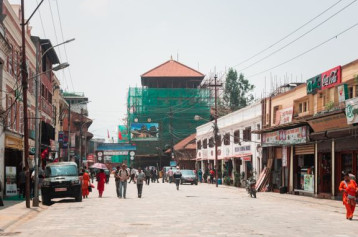
- Kathmandu,
- Sysbrubesi,
- Holy Mt. Kailash & Mansarovar Lake
KM 01-
13N/14D
- Lucknow,
- Nepalgunj/ Simikot
- Mount Kailash and Mansarovar lake
KM 03-
10N/11D
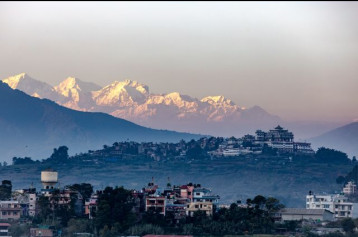
- Kathmandu,
- Nepalgunj,
- Simikot
- Mount Kailash &Mansarovar Lake
KM 02-
12N/13D
- Lucknow
- Nepalgunj
- Lucknow
KM 04-
2N/3D
Loading…